
Shower damage is usually cosmetic when the problem affects only the visible surface and does not involve movement, trapped moisture, or deterioration below the tile. Structural or system-level damage is more likely when tiles move, cracks repeatedly return, water appears outside the shower, or the wall or floor feels soft or unstable.
When homeowners ask about shower restoration in St. Stephen, SC, we first determine which type of damage is present before recommending cleaning, polishing, repair, or a larger corrective project. At The Art of Stone, we do not treat every stain, crack, or discolored grout line as the same problem because surface restoration cannot solve a failed waterproofing system or unstable substrate.
What Counts as Cosmetic Shower Damage?
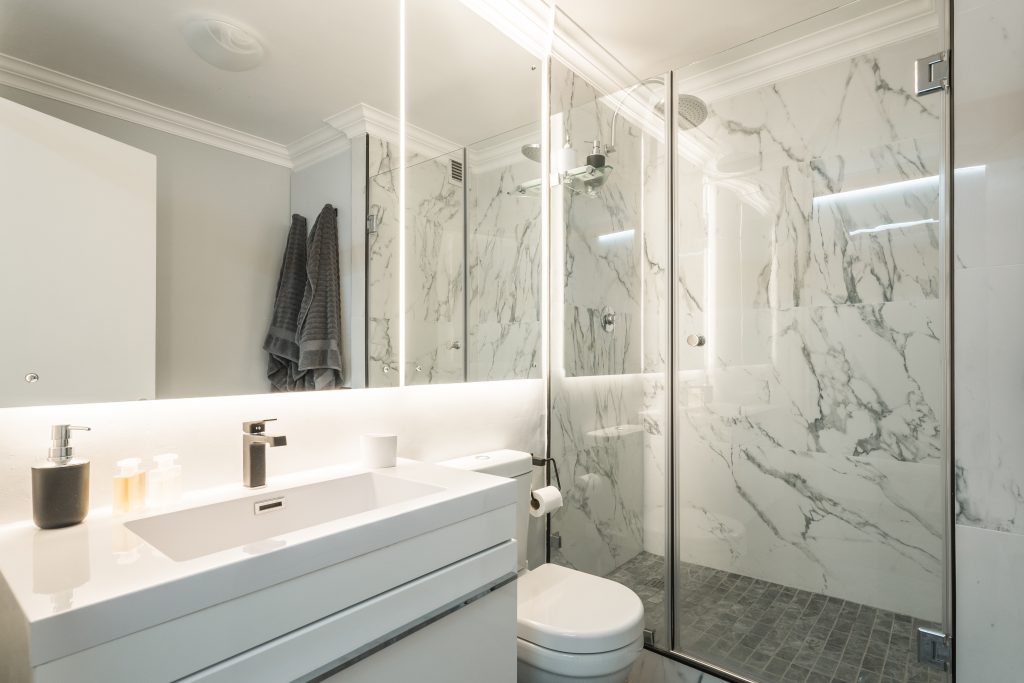
Cosmetic damage affects appearance or the finish while the shower assembly remains stable. Common examples include hard-water deposits, soap residue, staining, etching on marble, dull stone, worn polish, and grout discoloration.
These conditions can make a shower look older even when the tile and substrate are still sound. In many cases, professional cleaning, honing, polishing, stain treatment, or selective grout work can improve the surface without rebuilding the shower.
Typical cosmetic conditions include:
- White mineral deposits
- Dull marble or limestone
- Etching from acidic cleaners
- Surface staining
- Discolored grout
- Light scratches
- Product residue
For shower restoration in St. Stephen, SC, we also look at whether the surface is firmly bonded and whether dark areas dry normally. That helps us separate finish-related problems from persistent moisture.
What Are the Signs of Structural or System-Level Damage?
Structural or system-level damage usually involves movement, support, waterproofing, or deterioration below the visible surface. These problems cannot be corrected by polishing or sealing alone.
Warning signs include recurring cracks, loose or hollow-sounding tile, soft wall areas, movement underfoot, persistent dampness, water escaping outside the shower, or repeated grout failure in the same location.
A single hairline grout crack may be minor. A crack that reappears after repair, especially where tile also moves, deserves closer inspection.
Can Cracked Grout Be Cosmetic?
Yes. Cracked grout can be cosmetic when it is isolated, shallow, and not accompanied by movement or moisture problems. Recurring cracks, however, can indicate movement at a joint or in the substrate.
Corners and transitions are important. Flexible sealant is generally more appropriate than rigid grout at changes of plane because walls and floors can move slightly relative to one another.
At The Art of Stone, we inspect the pattern of cracking before deciding whether a localized repair is appropriate.
Does Discolored Grout Mean Water Is Behind the Tile?
Not necessarily. Grout can darken because of soap residue, body oils, hard-water minerals, surface mildew, or normal moisture absorption.
The more concerning situation is grout that remains persistently wet or dark long after the shower should have dried. If that is combined with loose tile, odor, soft substrate, or staining outside the shower, an underlying moisture issue becomes more likely.
For shower restoration in St. Stephen, SC, drying behavior is useful information. A stable surface that dries normally is different from one that remains damp.
Can Hard Water Damage Look Worse Than It Really Is?
Yes. Hard-water deposits can create a cloudy, chalky, or rough appearance that looks like permanent deterioration. In some cases, the visible layer is mineral buildup rather than damage to the stone itself.
The complication is that aggressive acidic cleaners used to remove those deposits can etch marble, limestone, and travertine. We identify the material first so the cleaning method does not create a second problem.
How Can You Tell if Marble Damage Is Cosmetic?
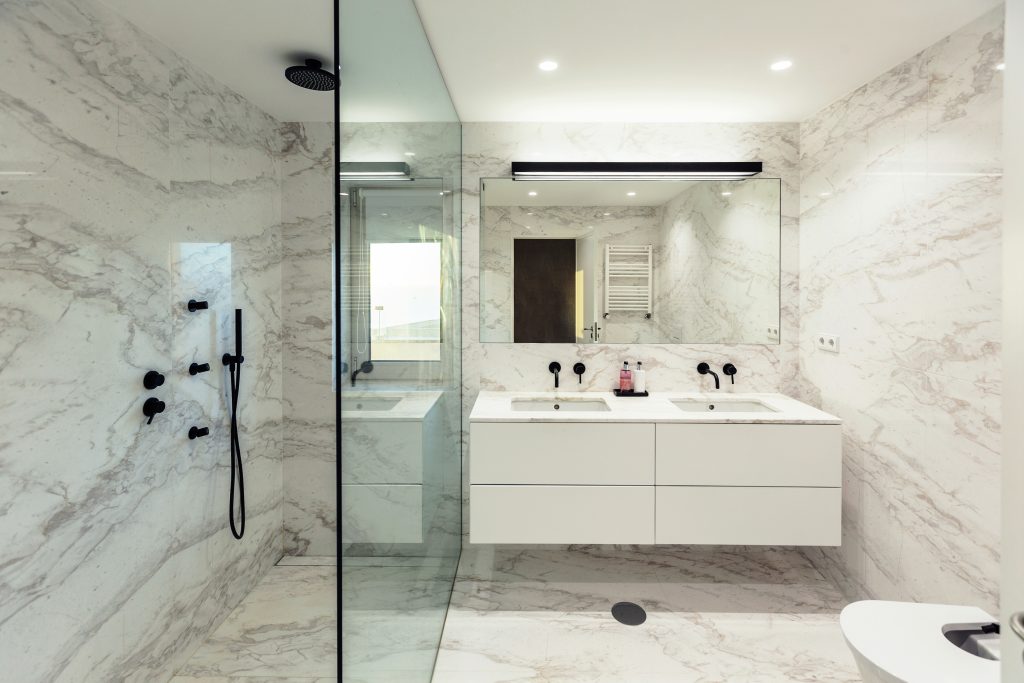
Marble etching, light scratches, and lost polish are usually surface-level conditions when the stone remains secure. These issues can often be corrected through honing and polishing.
Etching is chemical surface damage caused by acids and is different from staining. If the marble is cracked because of movement or has loose sections, refinishing alone will not solve the underlying problem.
What Does Loose or Hollow-Sounding Tile Mean?
Loose or hollow-sounding tile may indicate an adhesion problem, voids beneath the tile, substrate movement, or deterioration in the setting material. It is more concerning than simple discoloration.
A hollow sound does not always mean immediate failure, but tile that physically moves should be evaluated. Continued movement can crack grout, damage edges, and worsen the affected area.
Can Shower Restoration Fix Waterproofing Failure?
No. Surface restoration cannot repair a failed waterproofing system behind tile.
Cleaning, polishing, sealing, and grout repair can improve visible surfaces, but they do not replace a damaged membrane, failed shower pan, or compromised substrate. If water is getting behind the assembly, the source must be corrected directly.
For shower restoration in St. Stephen, SC, this distinction is critical. We would rather identify a limitation early than perform cosmetic work over a problem that will keep returning.
What Are the Signs of Possible Waterproofing Failure?
Possible warning signs include water appearing outside the shower, swelling or staining in adjacent drywall, persistent musty odor, loose tile, soft areas, or moisture that returns after adequate drying time.
No single symptom proves waterproofing failure. Plumbing leaks can produce similar signs, so drains, valves, supply connections, and fixtures may also need to be checked.
Can a Shower Floor Be Restored if Water Pools on It?
Sometimes, but restoration does not correct an improper slope. If the floor is structurally sound and the problem is only mineral buildup or finish wear, restoration may help.
If water consistently pools because the floor does not drain properly, the geometry of the floor may need correction. Polishing or sealing will not change the slope.
How Do We Evaluate Whether a Shower Can Be Restored?
We check the surface condition first, then look for movement, recurring cracks, moisture, grout failure, and problems around drains, curbs, and corners.
Our evaluation typically considers:
- Stone or tile type
- Surface deposits, staining, and etching
- Condition of grout and sealant
- Loose or moving tiles
- Cracks and whether they recur
- Drain, curb, and corner conditions
- Signs of persistent moisture
- Adjacent walls and floors
At The Art of Stone, this diagnostic step guides the scope. A shower that needs deep cleaning and polishing should not be treated like one with unstable tile or moisture behind the substrate.
What Shower Problems Can Often Be Restored?
Surface-level problems can often be improved when the stone or tile remains securely bonded and the assembly is otherwise stable.
Common restoration candidates include hard-water deposits, soap buildup, dull natural stone, marble etching, light scratches, surface staining, worn polish, and localized grout discoloration.
For shower restoration in St. Stephen, SC, we match the treatment to the material instead of using one universal process.
Do You Offer Different Shower Restoration Packages?
Yes. We offer different Shower Restoration Packages because not every shower needs the same level of work.
Some showers mainly need professional cleaning and surface refreshing. Others may require more extensive work involving stone refinishing, grout or joint correction, localized repairs, or several restoration steps combined.
We recommend the appropriate package after evaluating the condition of the shower, the type of stone or tile, the extent of surface wear, and whether any issues go beyond cosmetic restoration. This allows us to match the scope of work to the actual condition instead of applying the same service to every shower.
Is Sealing the Same as Repairing a Shower?
No. Sealing can reduce liquid absorption in porous natural stone, but it does not repair cracks, loose tile, failed grout, or waterproofing problems.
Penetrating sealer also does not make stone waterproof. Its role is to slow absorption and make some staining less likely.
That is why sealing may be one part of a restoration plan, but it should not be presented as a solution for structural movement or failed waterproofing.
Why Does Experience Matter When Diagnosing Shower Damage?
Experience matters because several different problems can look similar from the surface. A dark area may be a stain, temporary moisture absorption, or persistent water. A crack may be cosmetic or may reflect movement below.
Our work at The Art of Stone is informed by Ivan’s technical background in natural stone. He is an author of professional materials and articles, has developed his own technical methods, and has participated as a speaker at professional exhibitions, workshops, and educational events.
His background also includes educational activity at the College of Charleston and the American College of the Building Arts (ACBA), along with membership in professional associations. His achievements and expertise in the natural stone industry have also received official recognition in the United States at the federal level under the extraordinary ability standard.

FAQ
Is dull shower stone a structural problem?
Usually not. Dullness is often caused by wear, etching, mineral deposits, or residue when the stone remains secure.
Does cracked grout mean the shower is leaking?
Not necessarily. Isolated cracking can be cosmetic, but recurring cracks or cracks combined with movement and moisture deserve further inspection.
Can loose shower tile be restored?
Sometimes. The cause of the loose tile must be identified first, and the substrate must be stable enough for a reliable repair.
Can sealer stop water from getting behind shower tile?
No. Sealer reduces absorption in porous stone but does not replace a waterproofing membrane or repair installation defects.
Can hard-water buildup be removed from natural stone?
Yes, in many cases, but the treatment must be compatible with the specific stone. Acidic cleaners can damage marble, limestone, and travertine.
When should a shower be rebuilt instead of restored?
A rebuild may be necessary when there is widespread loose tile, failed waterproofing, severe substrate damage, or persistent moisture that cannot be corrected with surface work.
Can shower damage be cosmetic and structural at the same time?
Yes. A shower can have surface staining or etching while also having an unrelated movement or moisture problem.
Shower Restoration in St. Stephen, SC and the Charleston Area
The Art of Stone provides stone and tile restoration, shower surface restoration, honing, polishing, deep cleaning, sealing, and repair services in Charleston, SC, St. Stephen, SC, and nearby communities. We offer different Shower Restoration Packages based on the condition of the surface and the level of work required. When homeowners contact us for shower restoration in St. Stephen, SC, we first determine whether the problem is cosmetic, repairable at the surface, or a sign of a deeper installation issue. Call 843-609-3536 to discuss the condition of your shower and the most appropriate restoration option.